Loading...
Hot attic air leaking into your home forces your AC to work twice as hard. We find and seal every gap so your home stays cool and your energy bill goes down.
Attic air sealing in Atwater means finding and closing all the small gaps where your living space connects to the attic - around light fixtures, plumbing pipes, wall tops, and the attic hatch - so hot outside air can no longer pour in. Most single-family homes in Atwater can be sealed in one to two days with minimal disruption.
In Atwater, this matters more than almost anywhere else in California. Summer temperatures regularly top 100 degrees, and your attic can reach 150 degrees or more on a July afternoon. Every unsealed gap is a direct pipeline from that superheated space into your living room. If your home was built before 1990 - which covers most of Atwater's housing stock - there is a very good chance it has never been properly sealed.
Attic air sealing works best when paired with proper insulation. Once the gaps are closed, adding or upgrading insulation locks in the savings. If you are also looking at your home's overall energy picture, our retrofit insulation service covers both upgrades in one project.
If your air conditioner runs almost constantly during an Atwater summer but the house still feels warm and stuffy, that is a strong sign that hot attic air is leaking into your living space faster than your system can cool it. This is especially common in homes built before 1990, where the attic floor was never sealed. A properly sealed attic takes that constant heat load off your system.
The San Joaquin Valley's agricultural dust is relentless. If you find yourself wiping down surfaces more than seems reasonable, your attic may be pulling that outdoor air - and the dust in it - into your home through gaps in the ceiling. Dust accumulation near ceiling light fixtures or vents is a particularly telling sign that air is moving through those openings from above.
If your electricity bill jumps dramatically from May through September compared to spring and fall, your home is likely working much harder than it should to stay cool. Some seasonal increase is normal, but a very large spike often points to air leakage - your AC is fighting hot attic air that is constantly infiltrating the living space.
If the bedroom or room directly below the attic is always several degrees warmer than the rest of the house, that temperature difference is a direct sign that heat is moving from the attic into that space. In Atwater's summer climate, this can make upstairs rooms genuinely uncomfortable even with ceiling fans running.
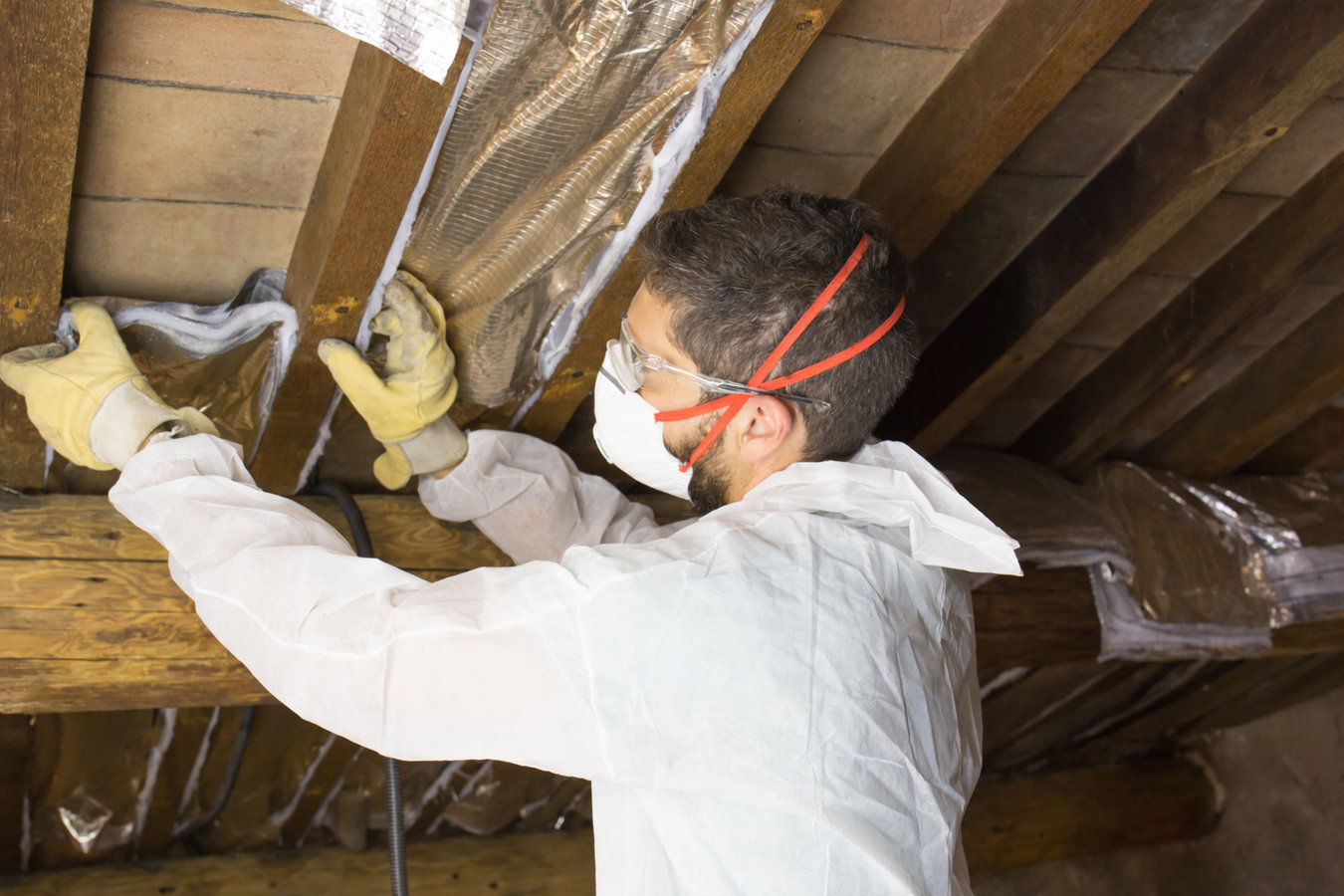
Our attic air sealing work starts with a full walkthrough of your attic before any materials go in. We locate every gap - around recessed lights, plumbing stacks, electrical runs, top plates, and the attic hatch itself. We use canned spray foam for smaller openings, two-part spray foam for larger penetrations, and fire-rated caulk and rigid foam board around heat-producing fixtures like chimneys. Nothing gets skipped because the spots that are hardest to reach are often where the biggest leaks hide.
We also offer a broader set of air sealing work throughout your home. Our air sealing services page covers whole-home sealing beyond the attic - useful if you are seeing drafts near windows, doors, or electrical outlets on exterior walls. And if your attic floor needs more coverage once the gaps are sealed, we can combine the sealing work with attic insulation or retrofit insulation in a single visit.
Ideal for homes where every gap around pipes, wires, and fixtures needs to be systematically closed to stop conditioned air from escaping.
Suited to homeowners who have noticed warmth or drafts coming from their attic access point, one of the most commonly overlooked leak locations.
The right fit when your attic also needs more insulation - we seal first, then add material on top so both upgrades work together from day one.
For homeowners who want measurable proof of improvement - we can coordinate blower door testing before and after so you see exactly what the sealing accomplished.
Atwater sits in the San Joaquin Valley, where summer temperatures regularly climb above 100 degrees and attics can reach 150 degrees or more on the hottest afternoons. A significant share of Atwater's homes were built between the 1950s and 1980s - before air sealing was a standard part of construction. Those homes were built to let air move freely, which meant dozens of unsealed penetrations in the attic floor that have been leaking ever since. The combination of extreme heat and older housing stock makes attic air sealing one of the highest-value upgrades available to Atwater homeowners. It is also worth noting that the San Joaquin Valley has some of the worst particulate air quality in the country, and a sealed attic stops that outdoor air from being pulled into your living space through ceiling gaps. Homeowners we work with in communities like Livingston face the same heat and housing-age challenges.
California's energy standards - known as Title 24 - set requirements for air sealing work done as part of permitted projects like HVAC replacements. If you are combining attic air sealing with other permitted work, your contractor needs to follow specific documentation requirements. For standalone sealing, permit requirements vary by scope. We work throughout Merced County and neighboring areas including Merced, and we are familiar with what the local building department expects. The U.S. Department of Energy recommends sealing before adding insulation - you can read more about air sealing best practices at energy.gov.
We ask a few basic questions - your address, the age of your home, and what problems you have been noticing. We reply within one business day and typically schedule an initial visit within a week.
Before quoting anything, we inspect how many gaps and penetrations exist and how accessible the attic is. We explain what we find in plain terms - no jargon, no pressure.
You receive a written quote covering exactly what will be sealed, what materials we will use, and the total cost. We also flag any available PG&E rebates that may apply to your project.
The crew works entirely in the attic - usually finishing a standard Atwater home in one day. Before leaving, we walk you through every area we sealed and confirm the attic hatch is re-insulated and closed properly.
Free estimate. Written quote before any work begins. No high-pressure sales.
(209) 582-0618Poor air sealing jobs address only the easiest spots, leaving the biggest leaks untouched. We work methodically across the entire attic floor so nothing is skipped. That thoroughness is what produces a real, measurable drop in air leakage.
We have worked on Atwater homes through some of the hottest summers on record in the San Joaquin Valley. We know which gaps cause the most heat gain in this specific climate and which materials hold up under those conditions year after year.
Every job is completed by our own crew, and we document what we seal and where so you can see exactly what was done. You get a written estimate before any work begins and a walk-through when the job is finished. Comparing more than one quote takes about 30 seconds and we welcome it.
One of the most common fears homeowners have is a price that changes once work begins. We give you a complete written estimate before anything starts and do not add charges without your approval. What you see on the quote is what you pay.
Atwater has a lot of homes built in an era when nobody thought about sealing the attic, and they have been leaking conditioned air ever since. We work on those homes every week - and the results are consistent. A single day of work brings real, lasting comfort improvement.
Add insulation to your existing home without major demolition, boosting comfort and lowering energy bills year-round.
Learn MoreWhole-home air sealing that closes gaps throughout your living space, not just in the attic.
Learn MoreAtwater summers hit fast - locking in your appointment now means your home is ready before the worst heat arrives. Call us or get a free estimate online.