Loading...
If your Atwater home heats up fast and cools down slowly, thin or patchy attic insulation is likely the reason. Blown-in insulation fills every gap batts miss - so your AC runs less and every room stays comfortable.
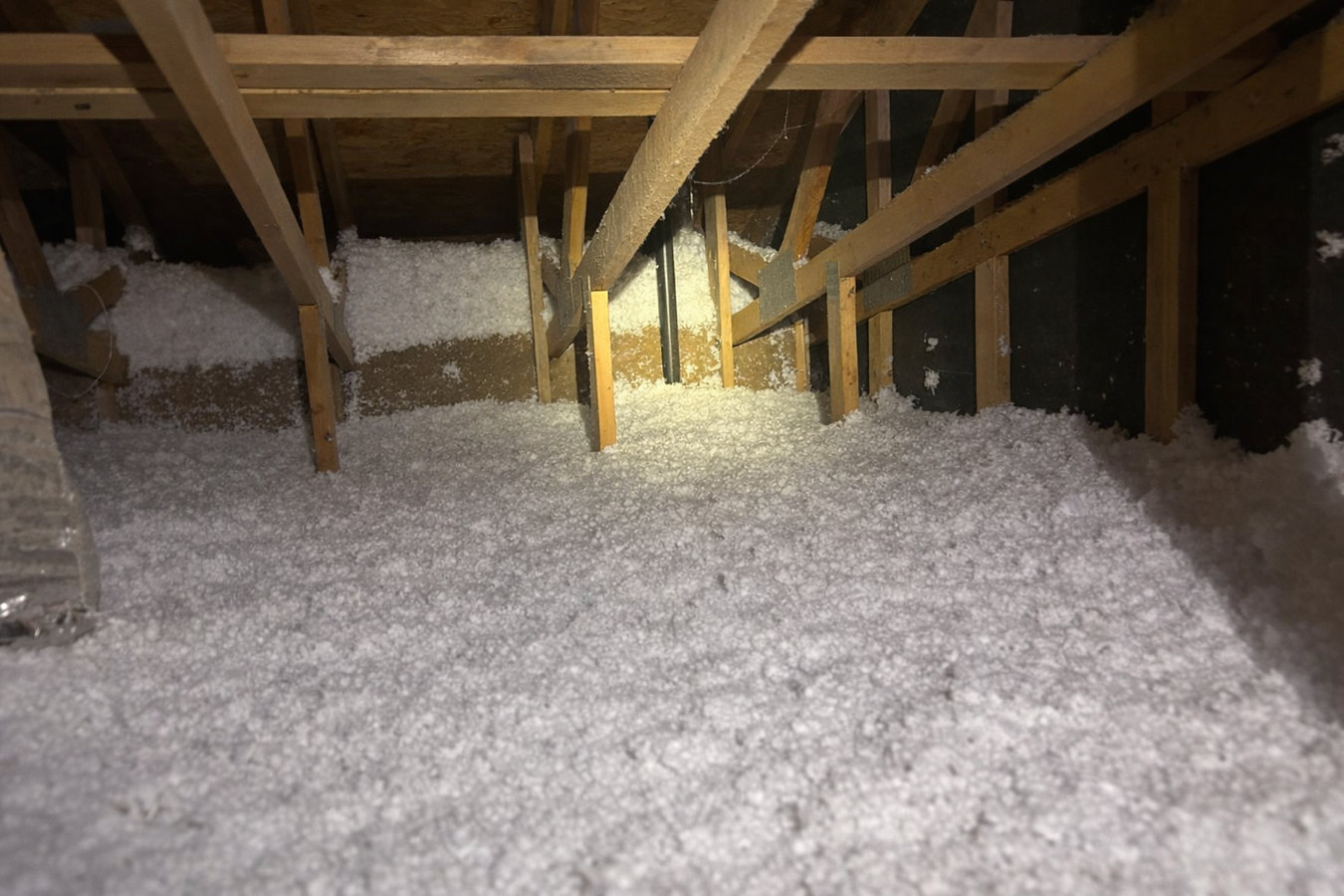
Blown-in insulation in Atwater fills your attic floor with loose-fill cellulose or fiberglass blown in through a hose, creating a complete thermal barrier that covers every corner and odd-shaped space. Most jobs are completed in a single day, often in just a few hours.
Atwater summers regularly push past 100 degrees, and homes built before 1990 often have attic insulation that has settled or compressed over the decades. If your PG&E bill climbs sharply every June, your attic is likely the main reason. Blown-in insulation is one of the most cost-effective upgrades you can make to address that. Many homeowners pair it with home insulation work for a complete thermal envelope.
The material fills in gaps that standard batt insulation - the pink or yellow rolls - simply cannot reach. The result is more even coverage, fewer hot spots, and a measurable drop in how hard your air conditioner has to work.
If you run the AC all afternoon and rooms are still uncomfortable at 7 p.m., your attic is storing heat and releasing it into your living space for hours. An under-insulated attic acts like a heat battery on Atwater summer days. Waiting means more wear on your AC system and higher monthly bills.
A sharp climb in your PG&E bill from June through September is a reliable sign your home is working too hard to stay cool. Some seasonal increase is normal in the Central Valley, but a dramatic spike in a home built before 1990 often points to inadequate attic insulation. Comparing your usage to neighbors with similar-sized homes can help you gauge whether your bills are unusually high.
Peek into your attic with a flashlight. If you can clearly see the wooden beams running across the floor, your insulation is too thin. Properly insulated attics should have insulation deep enough to completely bury those joists. This is one of the easiest self-checks you can do and takes about two minutes.
If a bedroom or living area is noticeably warmer in summer than the rest of the house, uneven insulation coverage is a likely cause. Blown-in insulation is especially effective at filling gaps and thin spots that older batt insulation may have left behind. In ranch-style homes common throughout Atwater, rooms directly below the roof are the most likely to show this symptom.
Our blown-in insulation work covers attic floors, knee walls, and hard-to-reach spaces throughout your home. We use both cellulose and fiberglass materials depending on your attic layout and your goals. Every job includes an air-sealing step before we blow in any material - sealing off gaps around light fixtures, plumbing penetrations, and framing that let conditioned air escape. For homeowners who want to address the whole house, our home insulation service covers attic, walls, and crawl space as part of a single assessment.
For rooms with uneven temperatures that point to wall cavities rather than the attic, we also provide wall insulation using dense-pack and injection techniques that add insulation without requiring major interior demolition. The right approach depends on where your home is losing the most energy, and we will tell you exactly that during the assessment.
Best for homeowners whose primary goal is lowering cooling costs and evening out temperatures across rooms on the top floor or under the roof.
Best for older Atwater homes with significant gaps around fixtures and framing - combines air-sealing with insulation for the biggest comfort and efficiency improvement.
Best for homes that have some insulation but not enough - adding a layer on top of existing material is faster and less expensive than a full removal and reinstall.
Best for homes with moisture-damaged, pest-damaged, or hazardous existing insulation that must be removed before new material is installed.
Atwater sits in the northern San Joaquin Valley, where summers routinely top 100 degrees and attic temperatures can reach 150 degrees on a hot afternoon. Most of the housing stock in Atwater was built between the 1950s and 1980s - during and after the Castle Air Force Base years - when insulation standards were far lower than they are today. Many of those homes have attic insulation that has settled and compressed over the decades, losing much of its effectiveness. Homeowners in Los Banos face the same conditions, and we serve the full valley corridor.
The Central Valley agricultural environment also means homes in Atwater deal with more outdoor dust and particulates than homes in most of California - especially during harvest seasons. Proper blown-in insulation combined with air-sealing closes off the gaps that let that dusty outside air find its way into your living space. Homeowners in Turlock and surrounding communities see the same benefits. Atwater is also in PG&E territory, which means rebates are available for qualifying insulation upgrades - ask us about those before signing any contract. See the U.S. Department of Energy insulation guide for recommended R-values in California's Central Valley climate zone.
Reach out by phone or form and we will schedule a free in-home estimate within one business day. You do not need to prepare anything - just be available to let us access the attic and answer a few questions about your home.
We go into your attic, measure existing insulation depth, check for air leaks around fixtures and framing, and look for any moisture or pest issues that should be addressed first. The assessment takes about 30 minutes, and we walk you through what we find in plain language.
You receive a written quote before any work is scheduled. We explain exactly what we are recommending and why - including whether air-sealing is part of the scope. This is the right time to ask about PG&E rebates and what documentation you will need.
The crew arrives with a blowing machine on a trailer, seals plastic sheeting around the attic hatch to contain dust, and runs the hose up into the attic. Most standard attics are done in one to three hours. When finished, we show you the final depth measurements before packing up.
Free estimate, written quote before any work begins, no pressure.
(209) 582-0618We seal gaps around recessed lights, plumbing penetrations, and framing before blowing in any material. Skipping this step is the most common reason blown-in insulation underperforms - and we never skip it.
We work on homes built during and after the Castle Air Force Base years - ranch-style stucco homes with attic layouts our crew sees every week. Knowing these homes means fewer surprises on installation day.
You see the full scope and price in writing before we schedule the job. No surprises on the day of installation - and if we find something unexpected during the assessment, we tell you before touching anything.
We provide all documentation needed to submit a PG&E rebate claim after your job is complete. The North American Insulation Manufacturers Association installation standards we follow help ensure your project qualifies.
Every one of these commitments exists because Atwater homeowners deserve to know exactly what they are getting before they spend their money. We stand behind the work with depth measurements and documentation you can keep.
Full-home insulation assessments covering attic, walls, and crawl space for Atwater homeowners looking for a comprehensive upgrade.
Learn MoreDense-pack and injection methods for adding insulation to existing walls without major interior demolition.
Learn MoreSpots fill fast before Atwater summers hit - call us now and lock in your installation date.