Loading...
Atwater summers push past 100 degrees, and if your home has gaps in the attic or walls, that heat finds its way in. Open-cell spray foam seals those pathways completely, keeping your home cooler and your energy bills in check.
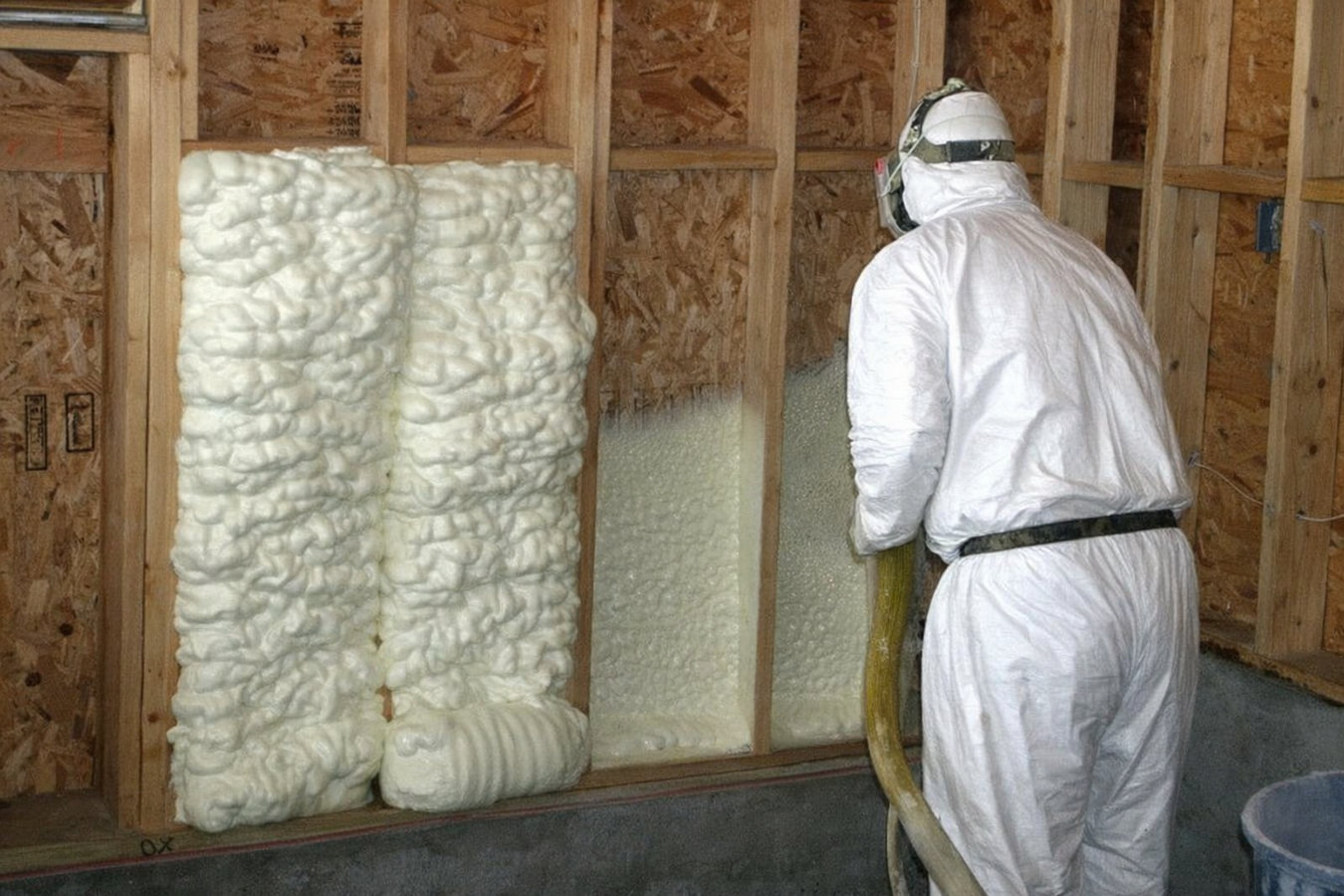
Open-cell foam insulation in Atwater is a spray-applied material that expands to fill every gap in your attic, walls, or crawl space, sealing air leaks that older insulation cannot reach. Most residential jobs cover a full attic or a set of walls in one day.
If your home was built before 1990, the original insulation has likely lost much of its effectiveness. Open-cell foam bonds directly to wood, concrete, and other building materials and stays in place for the life of the building. It also acts as a sound absorber, which helps if your home sits near Highway 99 or a busy agricultural road. Pairing it with commercial insulation planning principles can help you think through coverage for larger or mixed-use properties.
If you are weighing open-cell against other options, our spray foam insulation page walks through the full spectrum of spray-applied products so you can choose the right material for your home and budget.
If your electricity bill jumps dramatically from May through September and your air conditioner runs almost constantly, your home is likely losing the battle against Atwater's summer heat through gaps in the attic or walls. A well-insulated home holds cool air much longer, so the AC cycles on and off rather than running nonstop. Bills that feel out of proportion to your usage are one of the clearest signs that insulation deserves a look.
If the back bedroom or the room above the garage is always several degrees warmer than the rest of the house, heat is getting in somewhere it shouldn't. In Atwater's climate, attic heat radiates down through ceilings that aren't properly sealed or insulated. Uneven temperatures from room to room point directly to insulation gaps.
Hold your hand near an electrical outlet on an exterior wall on a hot summer afternoon. If you feel warm air coming through, outside air is infiltrating through gaps in the wall cavity. This is common in Atwater's older homes where original insulation has settled or was never installed correctly in the first place.
If you find yourself dusting constantly - especially in late summer and fall during nearby field harvests - your home has gaps that are letting agricultural dust inside. Open-cell foam seals those pathways. If dust accumulates near vents, baseboards, or ceiling fixtures, an insulation assessment is worth scheduling.
We install open-cell spray foam in attics, wall cavities, and crawl spaces throughout Atwater and the surrounding area. Because the foam expands up to 100 times its original volume, it reaches into corners and irregular spaces that fiberglass batts simply cannot fill. For homeowners weighing their options, commercial insulation uses many of the same materials in larger-scale applications, including warehouses and office buildings.
If you are comparing foam types, our team also installs spray foam insulation in both open-cell and closed-cell formulations. The right choice depends on your location, moisture exposure, and the performance targets you have for your home. We will walk you through the differences during your free on-site estimate.
Best for homeowners whose biggest problem is summer heat radiating through the ceiling - seals the full attic floor or roofline in one visit.
Ideal for homes with drafty exterior walls or uneven room temperatures, especially in mid-century homes where original insulation has degraded.
Suited to raised-foundation homes in Atwater where cold floors in winter or moisture from the ground is an issue alongside poor thermal performance.
Atwater sits in the San Joaquin Valley, where summer temperatures regularly exceed 100 degrees and the cooling season stretches from late April through early October. Any gap in your insulation is essentially an open door for that heat. Open-cell foam closes those doors permanently. On top of the heat, the farmland surrounding the city generates airborne dust and particulates year-round - particularly during harvest season. Homes with poor air sealing pull that outdoor air inside constantly. Residents in Livingston and Delhi face the same conditions and benefit from the same approach.
A large share of Atwater's homes were built between the 1950s and 1980s under insulation standards far less demanding than today's. Many of these homes have little remaining effective insulation in the attic, and wall cavities that were filled with fiberglass decades ago may have settled significantly. The U.S. Department of Energy recommends air sealing before adding insulation for exactly this reason - and open-cell foam does both steps in a single application. California's Title 24 energy code, enforced by the Spray Polyurethane Foam Alliance-trained contractors, sets minimum performance standards that ensure any permitted work on your home creates a documented upgrade that follows the property for its life.
We ask a few basic questions about your home's size and what areas you want insulated. Most homeowners hear back within one business day, and we can typically schedule an on-site estimate within a few days of your call.
We visit your home and look at the attic, walls, or crawl space. We check for moisture issues or structural concerns that need to be handled before foam is applied. This visit runs 30 to 60 minutes and comes with no obligation.
You receive a written estimate breaking down cost by area. We explain what is included - permits, cleanup, and any prep work - before you make a decision. No pressure, no surprise charges.
Our crew arrives with spray equipment and protective gear. Most residential jobs finish in four to eight hours. Before we leave, we walk you through the finished work so you can see the coverage firsthand.
Free estimates, no obligation. We reply within one business day.
(209) 582-0618We work in Atwater's specific conditions - extreme summer heat, valley fog winters, and agricultural dust - every day. That means our recommendations are grounded in what actually performs here, not generic advice lifted from a national playbook.
Every job we do is performed by our own crew, with years of insulation work across Atwater and Merced County behind it. We document what goes where and stand behind the results, so you know exactly who is accountable for the work.
We pull permits for jobs that require them and coordinate the inspection process from start to finish. The inspection record attaches to your home's history - which matters at resale and protects you if questions arise later. We hand you the documentation when the job is done.
We walk through your home before a single drop of foam is sprayed, explain what we find, and give you a written price. If your home needs something other than what you asked about, we will tell you - even if it means a smaller job for us.
Our work is grounded in the conditions Atwater homeowners actually live with. We combine local knowledge with expert, permit-backed installation so you know the job was done right and have the paperwork to prove it.
Large-scale insulation for warehouses, office buildings, and mixed-use properties in Atwater and Merced County.
Learn MoreA full overview of both open-cell and closed-cell spray foam options so you can choose the right product for your home.
Learn MoreCall us today for a free on-site estimate - the sooner you seal your home, the sooner you start saving on cooling costs.