
Loading...
Atwater Insulation is an insulation contractor serving Patterson, CA with closed-cell foam insulation, attic insulation, crawl space insulation, and spray foam for the single-family tract homes that make up most of this growing Stanislaus County community. We have been working throughout the Central Valley since 2016 and are familiar with the newer construction that defines Patterson - homes built in the 2000s and 2010s that are now reaching the age where original insulation starts to fall short.
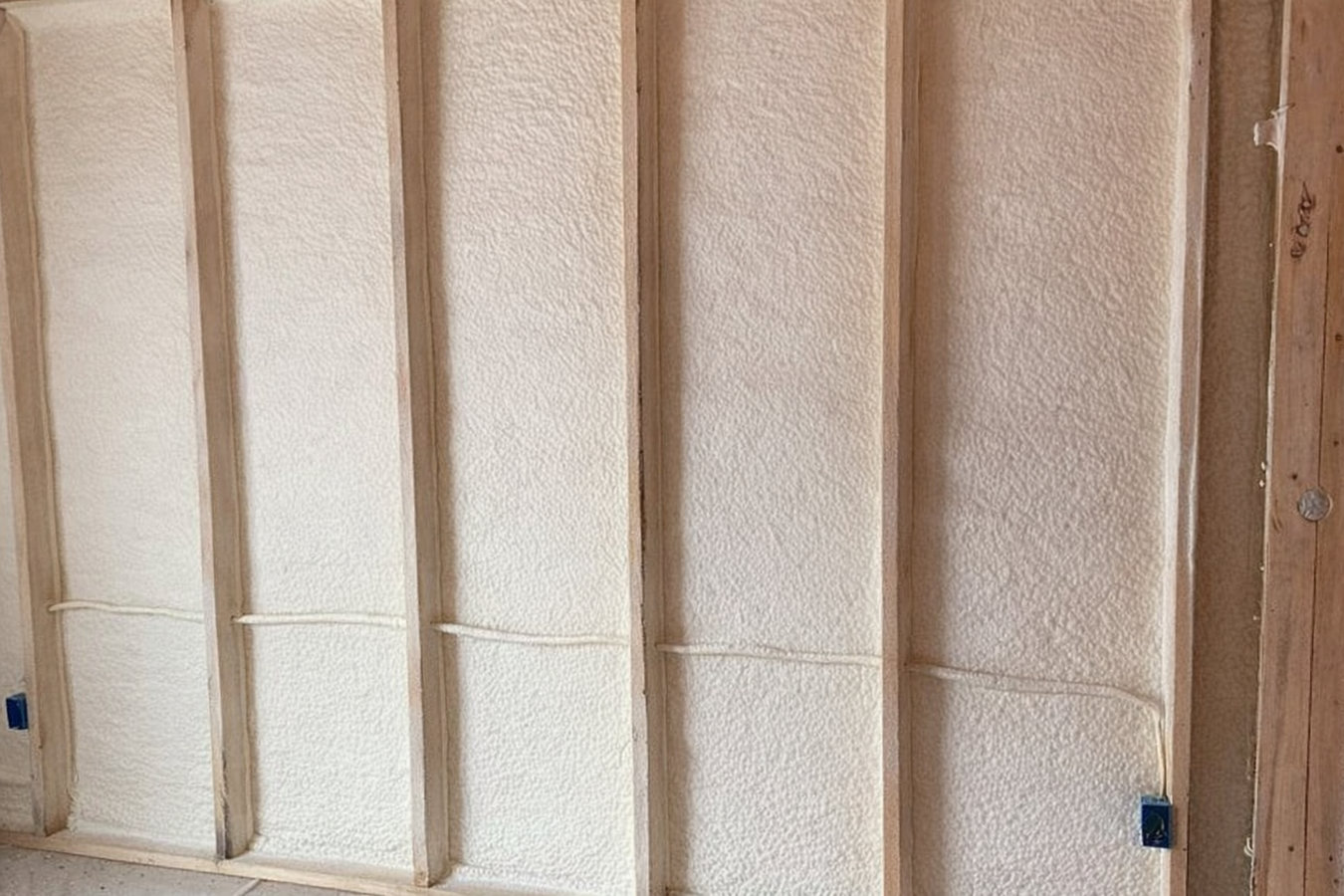
Patterson's clay soils shift with the seasons, and that movement opens small gaps at rim joists, sill plates, and crawl space walls that let ground moisture into the structure. Closed-cell foam fills and seals those gaps in one step, providing a high R-value per inch along with a built-in moisture barrier that standard batts cannot match. It is particularly well-suited to the crawl spaces and rim joists of Patterson's newer tract homes. Read more on our closed-cell foam insulation page.
Patterson summers regularly push above 100 degrees Fahrenheit, and the tile-roofed tract homes that make up most of the city absorb that heat throughout the day. Homes built in the early 2000s are now 20 or more years old, and original attic insulation has compressed to the point where it provides only a fraction of its original thermal resistance. Upgrading the attic is the most direct way to reduce what your air conditioner works against all summer.
For Patterson homes where wall cavities, garage ceilings, or attic rafters need both insulation and air sealing in a single application, spray foam is the most thorough solution. In homes where the air conditioning system is located in the attic - common in many Patterson subdivisions built in the 2000s - encapsulating the attic with spray foam keeps the equipment in a conditioned space and reduces duct losses significantly.
Patterson's wet winters bring 12 to 14 inches of annual rainfall, most of it between November and March, and the tule fog that follows keeps ground-level moisture elevated for weeks. Crawl spaces in homes without proper insulation and vapor barriers accumulate that seasonal moisture, which works on floor framing over years. Insulating and sealing the crawl space is particularly important on Patterson homes that sit on the clay-heavy soil common throughout Stanislaus County.
Even newer homes built in the 2000s have air leaks that reduce the effectiveness of their insulation - gaps around recessed lights, plumbing chase walls, and attic hatches are the most common culprits in Patterson's tract subdivisions. Professional air sealing closes those pathways before or alongside insulation upgrades, so the thermal barrier you add actually performs the way it should. Homeowners who skip air sealing often see disappointing results even after adding new insulation.
While Patterson's housing stock is mostly newer, some of the city's older properties near the original downtown - built before the 2000s growth wave - have minimal insulation in wall cavities and ceilings. Retrofit insulation upgrades these spaces without gutting interior walls or ceilings, using blown-in or foam techniques to bring the thermal performance of an older home up to a level that makes a real difference on energy bills in the Central Valley climate.
Patterson is one of the faster-growing cities in Stanislaus County, with a population of roughly 24,000 and a housing stock that is much newer than most Central Valley communities. The majority of homes were built between 2000 and 2020 during the city's rapid expansion as a bedroom community for Bay Area commuters. These are single-story and two-story tract homes with stucco exteriors, tile roofs, and attached garages on lots of 5,000 to 8,000 square feet. The first wave of those homes is now 20 to 25 years old, which is the age when original attic insulation has compressed enough to measurably underperform, when HVAC systems are reaching the end of their first life cycle, and when crawl spaces or slab-edge details that were never perfectly sealed begin to show moisture-related problems for the first time.
The Central Valley climate is demanding on these homes year-round. Summer temperatures in Patterson regularly climb above 100 degrees Fahrenheit from June through September, and the long, hot afternoons put a sustained load on air conditioning systems in homes where the attic insulation is no longer doing its full job. Winter brings 12 to 14 inches of rainfall concentrated between November and March, followed by the tule fog season that keeps ground-level humidity elevated throughout December and January. Patterson's clay-heavy soils expand when wet and shrink in the dry season, and that movement gradually opens gaps in foundation areas and crawl space walls that become pathways for moisture. An insulation contractor who works in Patterson needs to understand this seasonal cycle and address both the thermal and moisture sides of the problem.
Our crew works throughout Patterson regularly, and the homes we see most often here are the stucco tract houses in the subdivisions that spread across the north and east sides of town during the growth years of the 2000s and 2010s. These are well-built homes that are now reaching the age where insulation, air sealing, and crawl space protection need attention for the first time. When the scope of work requires it, we pull permits through the City of Patterson Building Department, and we handle that process so the homeowner does not have to.
Patterson sits at the I-5 interchange that most residents and visitors use as a reference point for the whole city. From the neighborhoods near the Apricot Fiesta grounds, which anchor the heart of the original town, to the newer streets on the north and east edges that were built to house commuters heading to the Bay Area, we have worked on homes throughout Patterson. Del Puerto Canyon to the west is a well-known local landmark, and properties out near the edge of the city toward the canyon tend to have slightly different soil and moisture conditions than the neighborhoods closer to the I-5 corridor.
We also serve homeowners in nearby Los Banos to the south and in Gustine, which lies about 15 miles south along Highway 33. If you are in Patterson, we can typically schedule a free estimate within a few days of your call.
Reach us by phone or through the contact form and we will respond within 1 business day. Many Patterson homeowners call after noticing high summer energy bills or rooms that stay warm even with the AC on - those are exactly the right reasons to call.
We visit your Patterson home, inspect the attic, crawl space, and any problem areas, and give you a written estimate before any work begins. We discuss pricing openly at this stage - including what factors are driving the cost - so there are no surprises on the invoice.
Most attic and crawl space jobs in Patterson are completed in one day. The crew stages equipment outside, protects access areas inside, and cleans up before leaving. Many Patterson homeowners are commuters who are not home during the day - we can complete most jobs without the homeowner present, as long as access points are cleared beforehand.
We walk you through what was done before leaving, show you photos or the finished work directly, and answer any questions. If we spotted anything during the job that the homeowner should know about - a moisture issue in the crawl space, damage we noticed while we were in the attic - we tell you clearly and without pressure.
We serve Patterson and Stanislaus County communities. Free estimates, honest pricing, no pressure to commit.
(209) 582-0618Patterson is a city of roughly 24,000 people in Stanislaus County, situated along Highway 33 and Interstate 5 about 70 miles east of San Jose. It calls itself the "Apricot Capital of the World," a title rooted in its agricultural history - the surrounding land was once covered in apricot orchards, and the city still holds an annual Apricot Fiesta that has been a community tradition for decades. The downtown near the Apricot Fiesta grounds retains the character of the original town, while the north and east sides of the city are dominated by the newer subdivisions that were built to accommodate the commuter families who drove Patterson's rapid growth in the 2000s and 2010s.
The housing stock in Patterson is almost entirely single-family, with most homes built between 2000 and 2020. These are stucco-exterior, tile-roof homes on modest lots, the standard construction pattern for Central Valley bedroom communities of that era. The older properties closer to downtown predate this growth wave and have their own characteristics - less uniform construction, smaller footprints, and in some cases wall cavities with little or no original insulation. We serve homeowners throughout Patterson and also cover Gustine to the south, where the older agricultural housing stock presents a different set of insulation needs than Patterson's newer construction.
High-density foam that insulates, air seals, and adds structural strength.
Learn MoreLightweight foam ideal for sound control and interior wall cavities.
Learn MoreEnergy-efficient insulation solutions for offices, warehouses, and retail spaces.
Learn MoreBlocks ground moisture to prevent mold and wood rot below your home.
Learn MoreMoisture control barriers that protect walls, floors, and crawl spaces.
Learn MoreCall Atwater Insulation or request a free estimate online. We know Patterson homes and will give you a straight answer on what your property needs.