Loading...
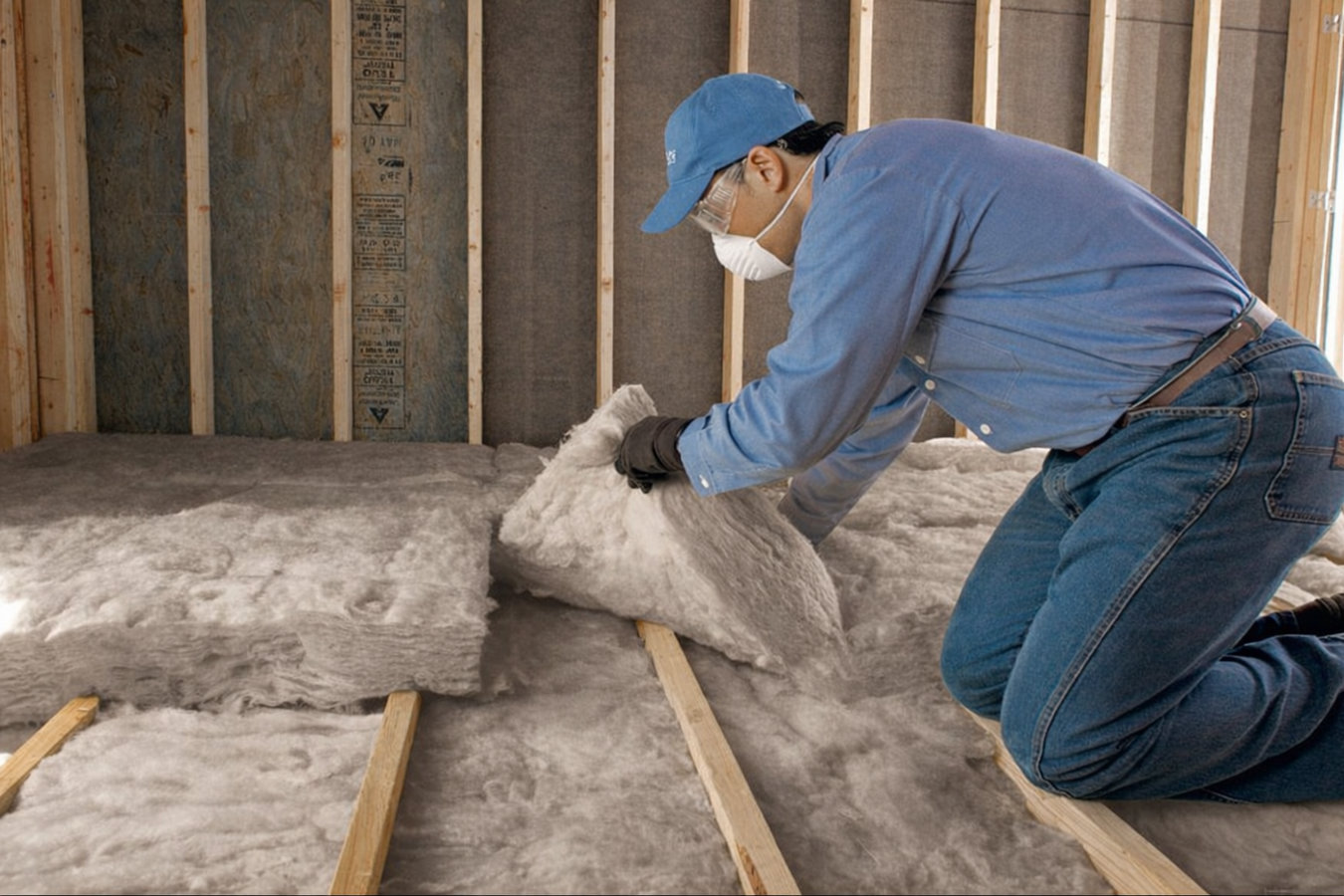
Old, damaged, or contaminated insulation cannot be fixed by covering it up. We remove it completely so your home is ready for proper protection.
Insulation removal in Atwater means fully clearing out old, worn, or contaminated material from your attic, walls, or crawl space so a clean, properly installed layer can replace it - most jobs take one full day for a standard single-story home.
A lot of Atwater homeowners discover their insulation has failed not because they went looking, but because their cooling bills suddenly climbed or they started smelling something strange when the HVAC ran. Old insulation can hide moisture damage, mold, pest droppings, and other problems that a fresh layer on top would just bury. If you are also planning to upgrade the rest of your home, pairing removal with crawl space insulation is one of the most effective ways to address multiple problem areas at once.
Once the old material is out, we inspect the space for air leaks, damaged wood, and signs of moisture before any new insulation goes in. Skipping that step means paying for new insulation that still cannot do its job. If you are unsure whether removal is what you need, check out our guide to blown-in insulation to understand what proper re-installation looks like after the space is cleared.
If your electricity costs have crept up over recent summers without any change in your habits or appliances, failing attic insulation is one of the first things to check. In Atwater's triple-digit summer heat, thinning or damaged insulation means your air conditioner is working overtime every afternoon.
If you have heard scratching at night, spotted droppings near the attic hatch, or had pest control confirm rodent activity, your insulation almost certainly needs to come out. Rodents nest in and contaminate insulation, and that material cannot simply be left in place. Given Atwater's proximity to agricultural fields, this is a common call we receive.
If no one has ever touched the insulation in a home built before 1985, there is a good chance it has degraded well below the point where it is doing any useful work. Older materials also compact and settle over decades, losing their thermal resistance. A quick look in the attic can tell you quickly whether what is up there is worth keeping.
A persistent odor that gets stronger when your HVAC runs is often a sign that something in the attic is wrong - mold, moisture damage, or rodent contamination. In Atwater, older HVAC systems and swamp coolers can introduce moisture into attic spaces that goes unnoticed until the smell becomes hard to ignore.
We handle removal in attics, crawl spaces, and walls - wherever the old material is, we get it out cleanly. For homes with standard aged insulation, we vacuum and hand-remove everything down to the bare surface, leaving nothing behind for new insulation to compress against. When rodent contamination is involved, the process becomes more involved: full biohazard protocols, sealed disposal bags, and a sanitized space before we declare the job done.
Many customers combine removal with same-day or next-day re-installation. If you are having crawl space insulation installed, we clear the existing material first and address any vapor barrier issues we find. For customers choosing blown-in insulation as their replacement material, removal gives that blown-in product a clean, even surface to bond to, which is the only way you get full coverage.
Best for homes with settled, contaminated, or rodent-damaged insulation in the attic space.
Suited to homes with deteriorated or moisture-damaged material under the floor before new crawl space insulation goes in.
Ideal when multiple areas need to be cleared in one project, often paired with whole-home re-insulation.
A significant portion of Atwater's residential neighborhoods were built between the 1950s and 1970s - during and after the Castle Air Force Base years. Homes of that era may contain insulation that has simply broken down over decades, or materials that are no longer considered safe. Atwater's extreme summers, where temperatures regularly exceed 100 degrees, expose failing insulation fast: when the thermal barrier breaks down, that heat pours straight into your living space and your cooling bills reflect it. Homeowners in Merced and across the surrounding Central Valley face the same conditions, and we see the same pattern: energy bills spike first, then the inspection confirms the insulation has to go.
The agricultural land surrounding Atwater creates another pressure that urban areas rarely deal with: year-round rodent activity. Roof rats and field mice move from surrounding fields into residential attics, especially in fall and winter. Once they nest in insulation, the material becomes contaminated and must come out fully - there is no safe way to leave it. We also serve customers in Turlock and other Central Valley communities where the same combination of older housing stock and agricultural pest pressure drives the need for full removal. The EPA's resources on mold and moisture explain why contaminated insulation left in place is a health issue, not just a comfort one.
When you reach out, we ask a few questions - your home's age, approximate size, and whether you have seen signs of pests or moisture. This helps us come prepared and give you a realistic time estimate. We reply within one business day.
A technician inspects your attic or crawl space in person before quoting. We check the volume of material, any contamination, access challenges, and whether hazardous material testing is needed. If your home predates the mid-1980s, we discuss testing options before any work begins.
You receive a written estimate after the walkthrough - covering what is being removed, why, and the full cost. No price increases once work starts. You decide when you are ready.
The crew arrives with an industrial vacuum, protective gear, and heavy-duty disposal bags. A standard Atwater home takes one full day. Bagged material is hauled away and disposed of under California waste rules - you arrange nothing separately.
We start with a free on-site assessment. No pressure, no phone quotes, just a straightforward look at what needs to come out and what it will cost.
(209) 582-0618Many Atwater homes were built in the 1950s through 1970s. We come prepared for what that era's insulation may contain, including the protocols needed if hazardous materials are suspected. You will not be the one figuring that out on the fly.
Agricultural surroundings mean rodent pressure in Atwater is real and year-round. We treat contaminated attic spaces as biohazards - proper respirators, sealed disposal, and a clean space before new insulation goes in. The UC Agriculture and Natural Resources program documents why this matters in Central Valley communities.
UC IPM ProgramWe do not quote over the phone. Every project starts with an in-person assessment and a written estimate so you know exactly what is being removed and what it costs before you say yes.
We document what we remove and how the space is cleaned and sealed before new material goes in. You get photos and notes you can keep. That accountability matters when the job involves potentially hazardous materials.
We combine local knowledge of Atwater's housing stock with the protocols required for safe, thorough removal. When the job is done, you will have a clean, fully cleared space ready for new insulation - not a rushed job that just looks finished.
Once your crawl space is cleared, proper insulation keeps the ground's heat and cold from entering your home.
Learn MoreA common follow-up after removal - blown-in material fills the space evenly with no gaps or settling.
Learn MoreSummer heat is coming - get your attic cleared and ready before the hottest months hit. Call us or request a free estimate online.